Can Italy become an art market leader?
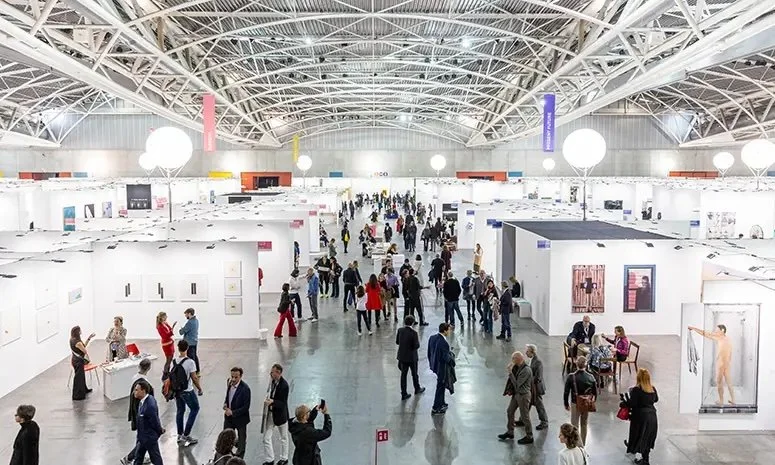
Artissima Fair in Turin, Courtesy of Artissima.
Spurred by changes in Italian tax law, over the past year the Italian art market has become the talk of the industry. As a historically significant cultural center, Italy has the potential to be a leading art world hub. However, it has struggled to compete in the modern art market. With renewed focus from the Italian government and from commercial players, the Italian art market is beginning to evolve. Will the combination of legal changes, cultural development efforts and strengthening gallery presence be enough to spur real change in the Italian market?
Despite its rich culture, Italy has historically made up only a small portion of the international art market. According to the Art Basel UBS report, today Italy makes up less than 1% of the global art market by value. In part, this reflects a market increasingly dominated by contemporary and post-war art, which now represent well over half of the share among both dealers and auction houses. In a time where the contemporary market is so significant, Italy’s reputation as a historical center may not easily translate into leadership in the modern art market.
However, Italy maintains an important role in the global art world and has a strong domestic ecosystem. The country hosts the Venice Biennale, arguably one of the most significant art world events in Europe. Though not a market event by nature, it garners interest from art market players across the world. In addition, both Sotheby's and Christie's have auction houses in Milan as well as regional offices in Rome. Italy also hosts Artissima in Turin, a fair that draws significant international attention and helps spotlight local galleries.
In spite of all of this, the Italian market has long lagged behind peer markets and until recently it did not seem there would be a meaningful commercial shift to change this. In 2024, the Italian art market declined nearly 10%.
To combat this, the Italian government implemented a massive VAT decrease this past summer. Prior to the change, Italy had a 22% VAT on art, the highest rate in the entire European Union. In an effort to bolster the art ecosystem, this rate was slashed to 5% making the new rate the lowest in the EU. While finally implemented in 2025, this has been a long awaited change in the Italian art world. France has been dominating the European market for years, accounting for 8% of the global market share in 2025. With VAT rates at 5.5%, French galleries had a significant advantage over Italian competitors. The recent change evens the playing field for the Italian market, lowering costs for collectors and spurring business for galleries and auction houses alike. Just as importantly, the reform signals political will. The tax shift suggests that Italy is serious about reclaiming ground lost to other European markets and demonstrates institutional commitment to the art world.
This change is just one signal of a broader shift in the Italian market. On the commercial side, major galleries are staking their claims in new territories and placing bets on rising art centers in the region. There are a few prominent galleries such as Galleria Continua, Cadogan Gallery and Thomas Dane Gallery that have had a strong presence in Italy for years. There have even been some mega-galleries that entered the market including Gagosian which has had a presence in Rome since 2007 and Victoria Miro which has been in Venice since 2017.
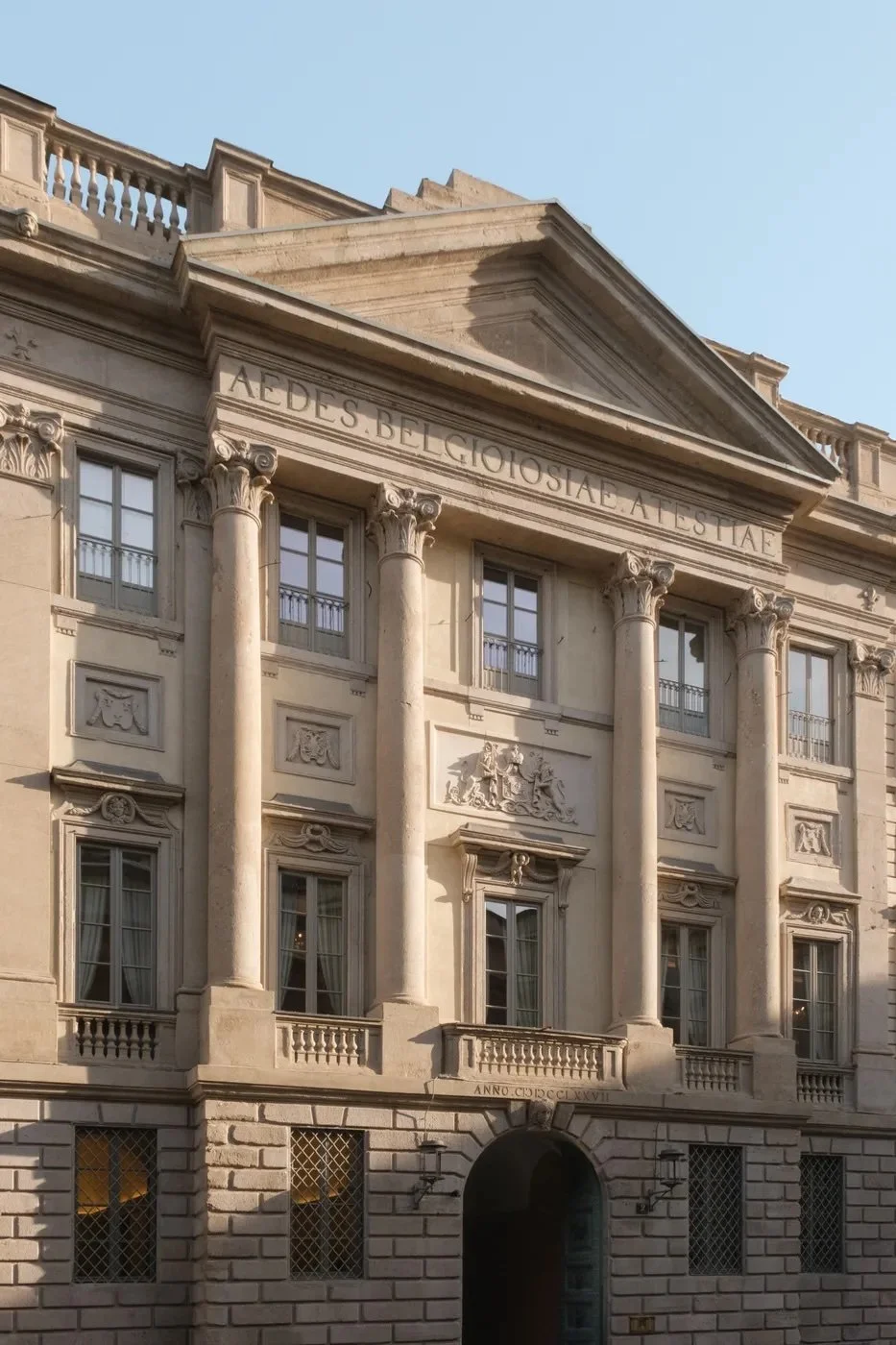
Thaddaeus Ropac’s new Milan location in Palazzo Belgioioso, Courtesy of Thaddaeus Ropac.
The most recent wave of mega-galleries expanding into Italy include Thaddaeus Ropac and Hauser and Wirth. Thaddaeus Ropac opened a new Milan gallery this fall in Palazzo Belgioioso, a historically and architecturally significant site that signals an engagement with the region’s cultural legacy. They announced plans for expansion before the VAT decrease was finalized which allowed their opening to occur right after the changes took effect. While expanding to a major city like Milan is a relatively safe bet, doing so before the VAT changes demonstrated confidence in the region’s prospects and ultimately gave them a competitive edge. The gallery cited Milan’s momentum as an art center and a desire for an Italian presence as driving forces in the expansion decision.
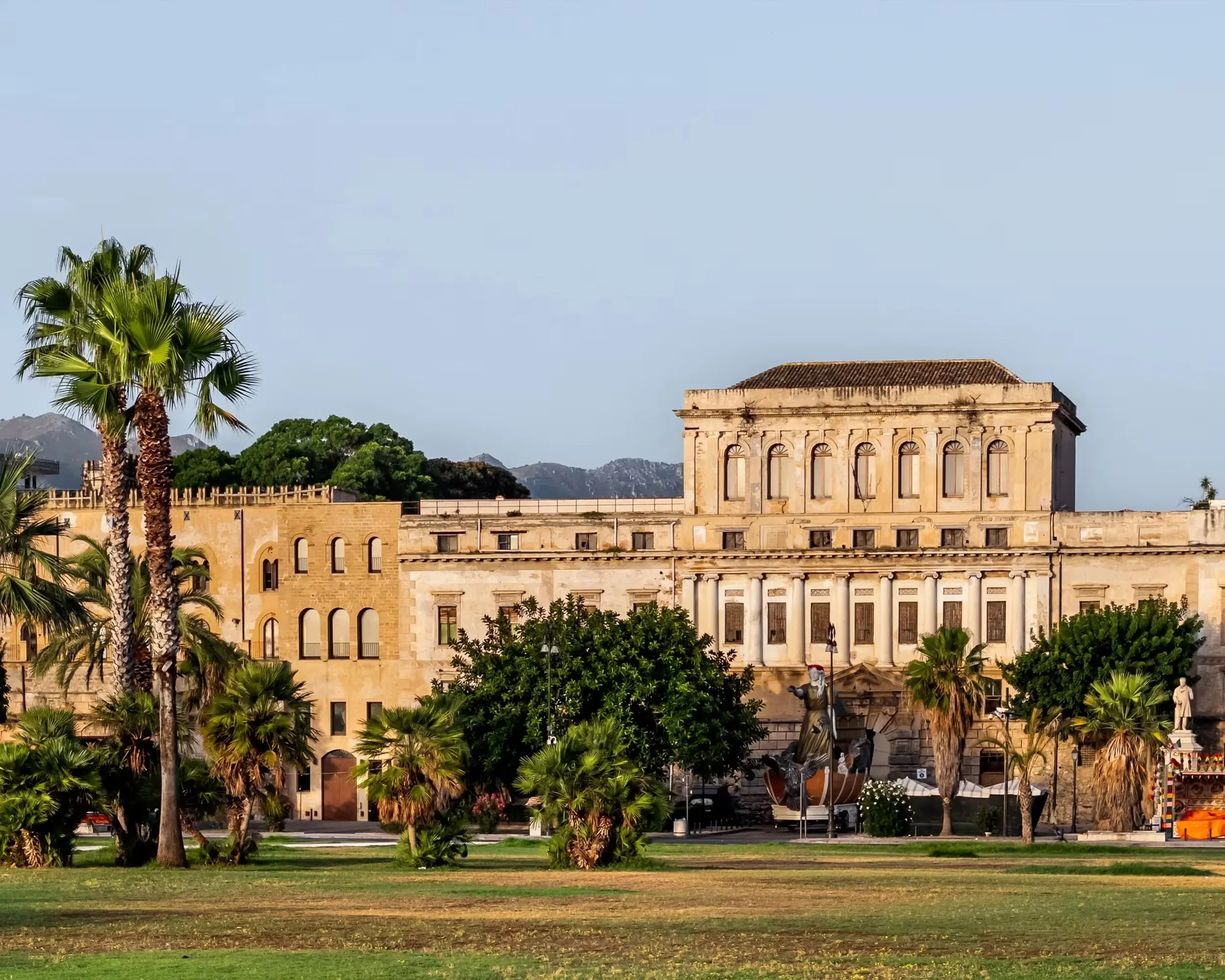
Hauser and Wirth’s new Palermo location in Palazzo Forcella De Seta, Courtesy of Hauser and Wirth.
Hauser and Wirth, by contrast, is placing their bet on Sicily, a far bolder move given that other leading galleries remain concentrated in established hubs like Rome and Milan. Like Thaddaeus Ropac, Hauser and Wirth will be paying homage to the region’s past by opening in the historic Palazzo Forcella De Seta. Their choice positions them as the dominant player in Palermo, a relatively untapped center of wealth with an existing contemporary art scene that Hauser and Wirth may be able to capitalize on. Sicily has already demonstrated its cultural potential through events such as Manifesta 12 in 2018 and the Mediterranean Archipelago Biennial (BAM) in 2022, signaling growing international attention. This cultural momentum is now being reinforced by state-backed investment in the region. The Italian government announced plans this past summer for the Strait of Messina bridge connecting Sicily to the mainland, and more recently named Gibellina—a small Sicilian town with artistic roots—the 2026 “Capital of Contemporary Art.” Taken together, these developments suggest that Hauser and Wirth are establishing themselves in a region poised for both economic growth and artistic revival in the coming years.
Both of these openings are the galleries’ first Italian locations and provide insight into mega-galleries’ strategic plans for the future. As the number of mega-galleries with Italian presence doubled in the past year, it is clear that the commercial interest in the Italian market is going hand in hand with state-backed institutional investment.
Despite all of the buzz around the Italian art market, the question remains whether recent developments will help expand Italy’s global art market share. Given large scale shifts like these take time, it may be too soon to tell. However initial data from this year’s Art Basel UBS report can be read with cautious optimism. This year the Italian market is down only 2% compared to 10% last year. Considering the timing of the VAT changes and broader art market turnaround in the second half of the year, the Italian market likely strengthened at the end of 2025. Additionally, dealer sales in Italy saw a 1% increase. While these data points certainly don’t suggest explosive growth, they could hint at a coming turnaround for the Italian art market.
The Italian market will be one to watch this year to determine whether the attention on the region is warranted. If the art market players in the region are able to capitalize on the momentum it could be the beginning of a new age for the Italian art market.
Disclaimer: The views, thoughts, and opinions expressed in MADE IN BED are solely those of the individual authors and not those of MADE IN BED magazine or of Sotheby’s Institute of Art.