

Luigi Ghirri: Felicità @ Thomas Dane Gallery
Felicità, Luigi Ghirri’s second solo exhibition at Thomas Dane, spreads across the gallery’s two London locations on Duke Street, St James’s. Curated by visual artist Alessio Bolzoni and film director Luca Guadagnino, the show brings together a constellation of works by the Italian photographer (1943, Scandiano - 1992, Roncocesi), merging lesser-known images from the 1970s and ’80s with previously unpublished photographs drawn from Ghirri’s house-studio archive in Roncocesi, Reggio Emilia. Unfolding as an intimate encounter with vision, memory, and perception, Felicità invites us into a quiet but profound reconsideration of how we see the world.
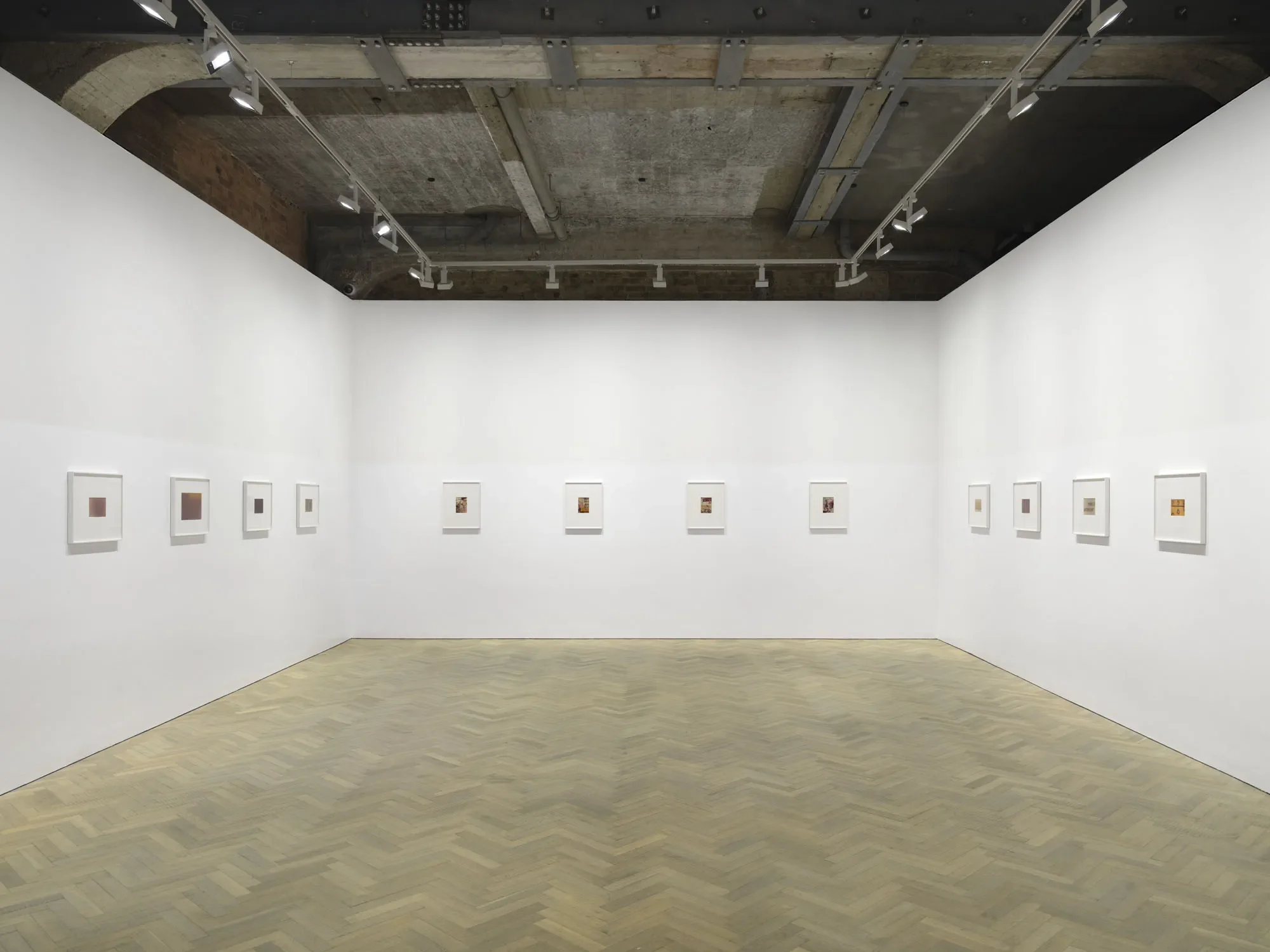
Felicità, installation view at 3 Duke Street, Thomas Dane Gallery, London, 2026. Photo Courtesy: Thomas Dane Gallery
The two gallery spaces possess a distinctly different atmosphere. The room at 3 Duke Street, home to most of the previously unseen photographs, presents a linear arrangement of images: fragments of newspapers, close-ups of street signs, and the ripped stratification of torn movie posters, which echo the tactile aesthetics of Mimmo Rotella. These isolated, magnified slivers of everyday life, imbued with a pop-art fascination for the mundane, do more than simply index reality; they hold up a mirror to us, exposing the relentless flood of contemporary society’s media production. Stripped out of their original context and almost abstract in their detachment, these compositions are recontextualised in Ghirri’s frame, creating cohesive meaning from dispersed fragments. They act as synecdoches, not only for the urban environment, but for our worlds and ourselves.
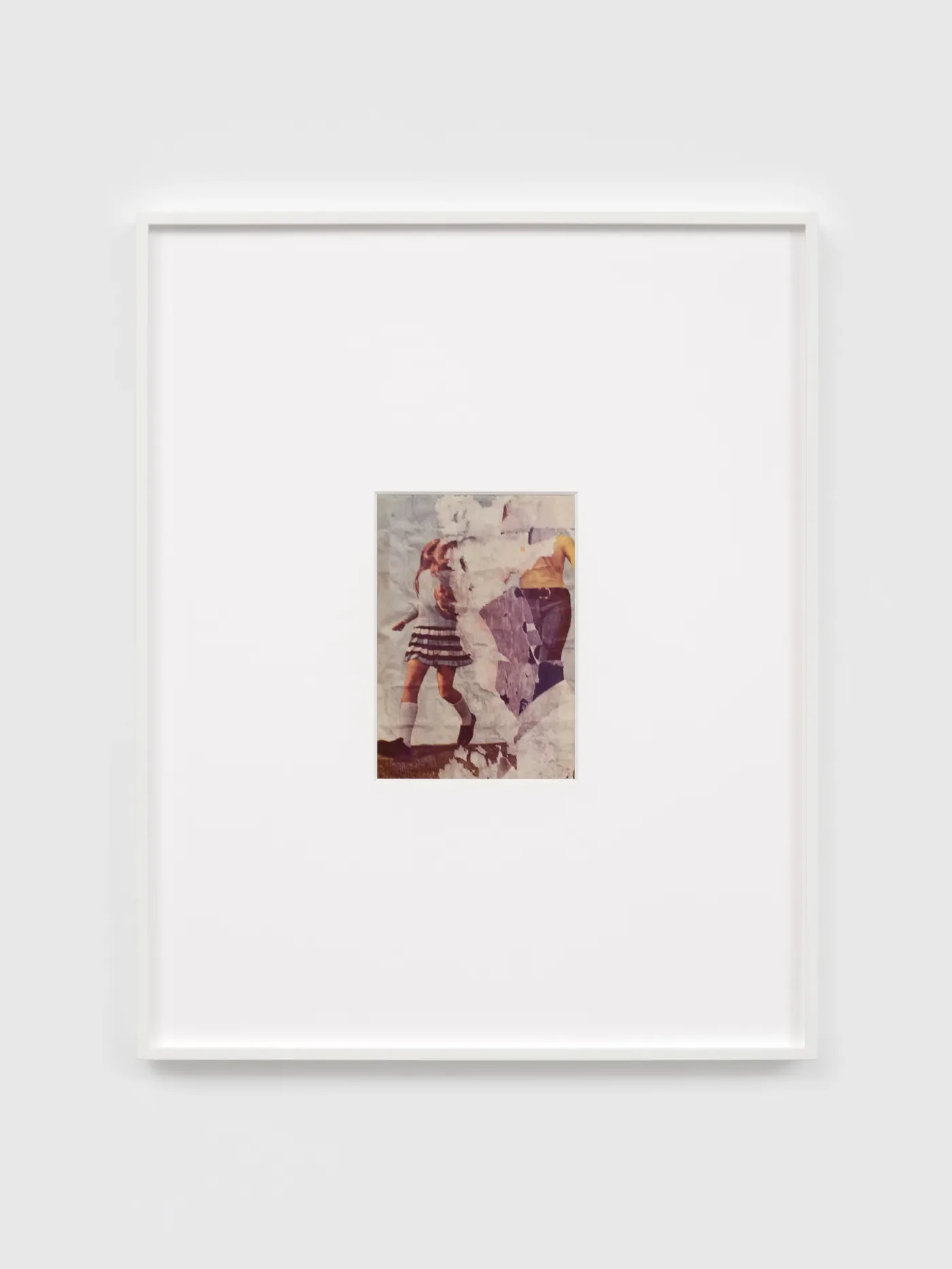
Luigi Ghirri, Modena, 1972. Photo courtesy: Thomas Dane Gallery
What stands out in these pieces is their deliberate ambiguity. Titles reveal only the where and when—Modena, 1971 to 1975—leaving us to assemble stories from the scattered visual clues. The tattered posters, the layered advertising and the signs all become poetic puzzles: stories waiting to be told. This minimal contextualisation shifts the focus from the images as objective records to the experience of perception itself. Ghirri does not simply capture the world but interrogates how we consume and internalise its ceaseless visual outpouring.
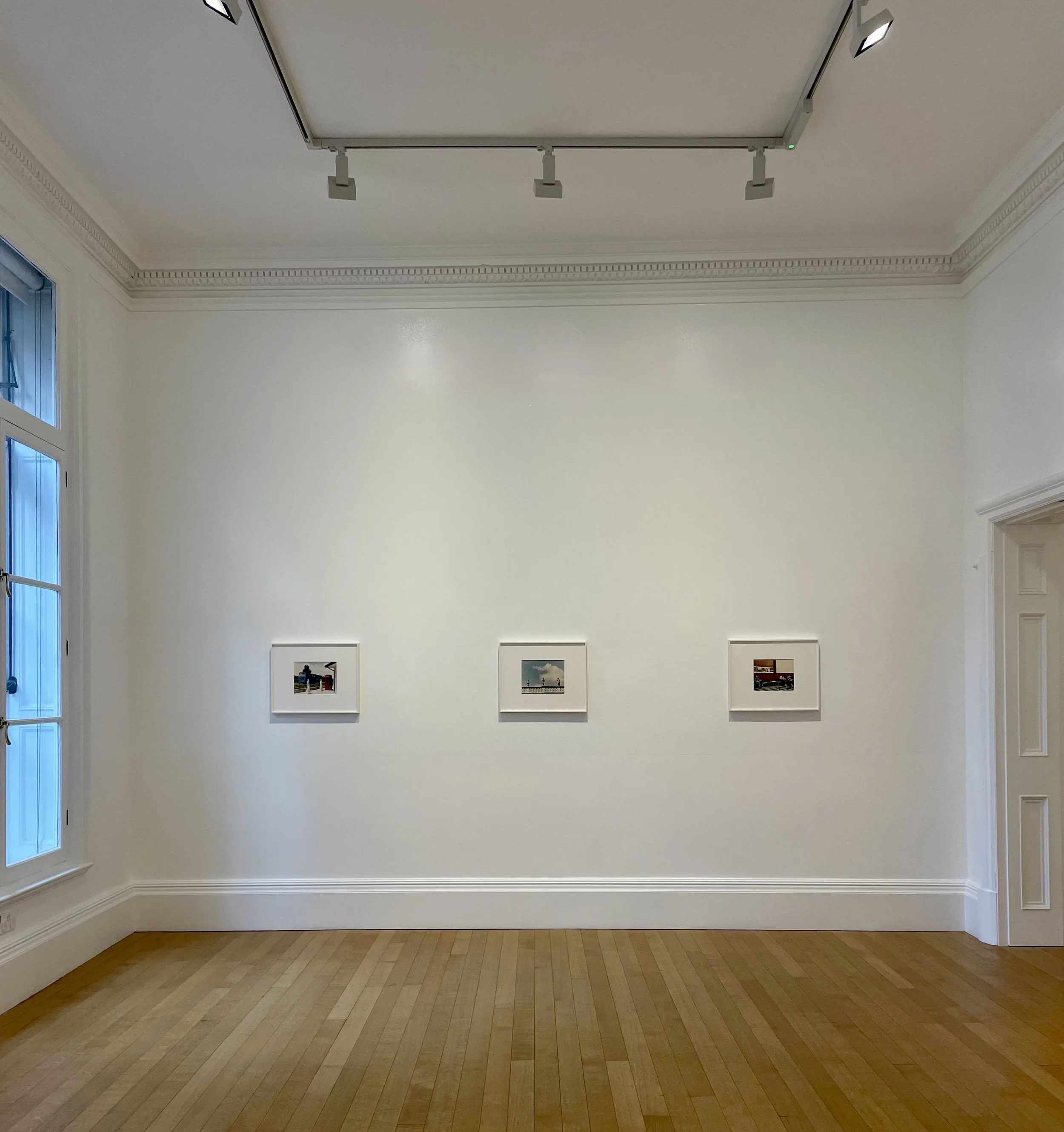
Felicità, installation view at 11 Duke Street, Thomas Dane Gallery, London, 2026. Photo courtesy: the author
In contrast, 11 Duke Street exudes the warm, welcoming charm of a lived-in apartment. After the cramped, fragmentary glimpses of the previous space, the photographs at this location offer a sense of openness and spatial ease. Here, the images reveal the Italian landscapes that brought Ghirri international acclaim: landscapes that eschew grandeur, cliché, and idealisation. There is no attempt at dramatic or picturesque scenes. Instead, the camera rests on the ordinary: a strip of sand, a quiet road, a humble exterior bathed in the soft violet light of sunset.
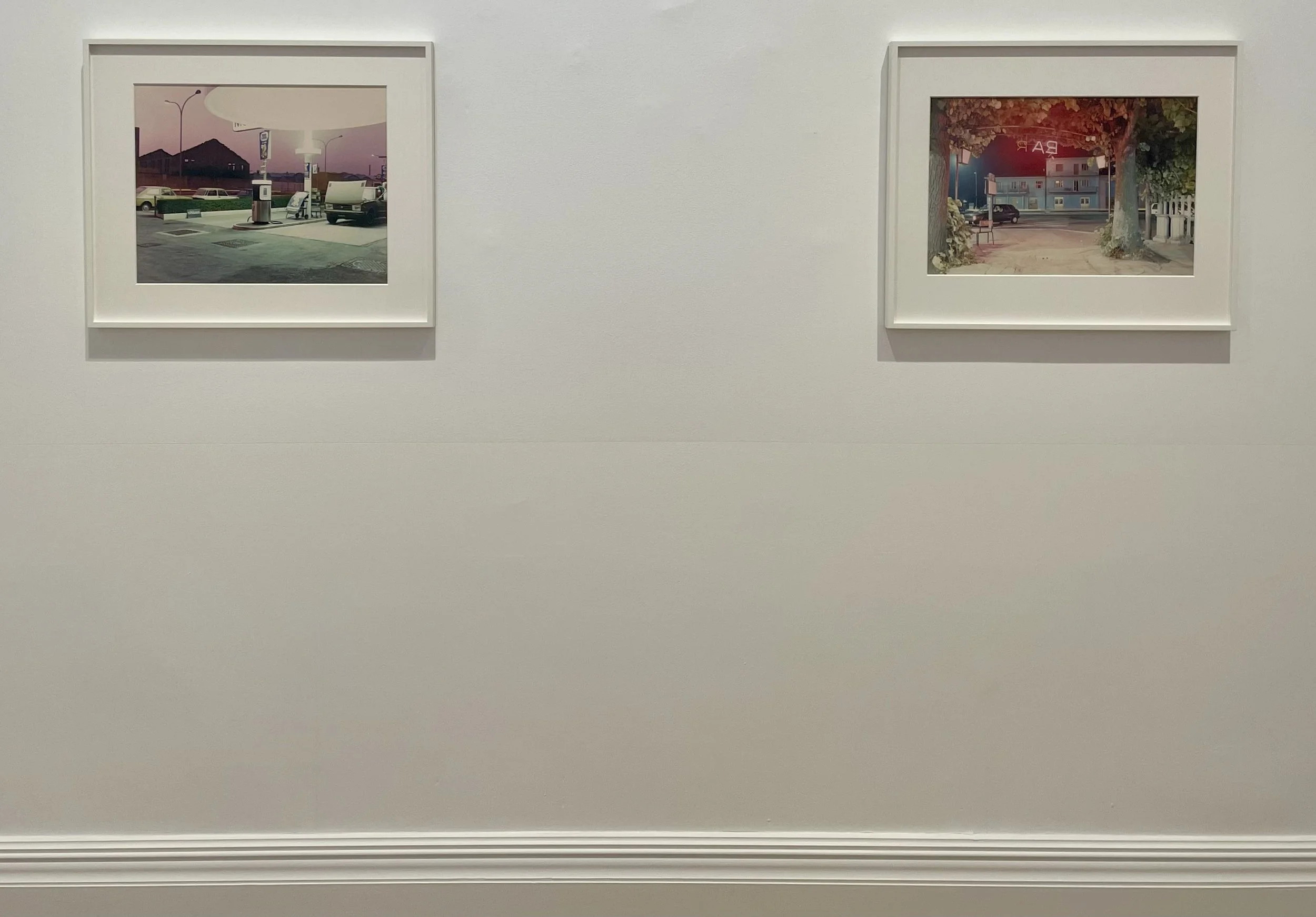
Felicità, installation view at 11 Duke Street, Thomas Dane Gallery, London, 2026. Photo courtesy: the author
The compelling nature of these photographs lies in Ghirri’s mindful composition. Though seemingly simple, they reveal a keen awareness of geometry and balance, a reflection of how the human mind seeks order and pattern in banal settings. His images do not look to transform or disguise reality; instead they offer a gentle framing, a lens through which to pause and reflect.
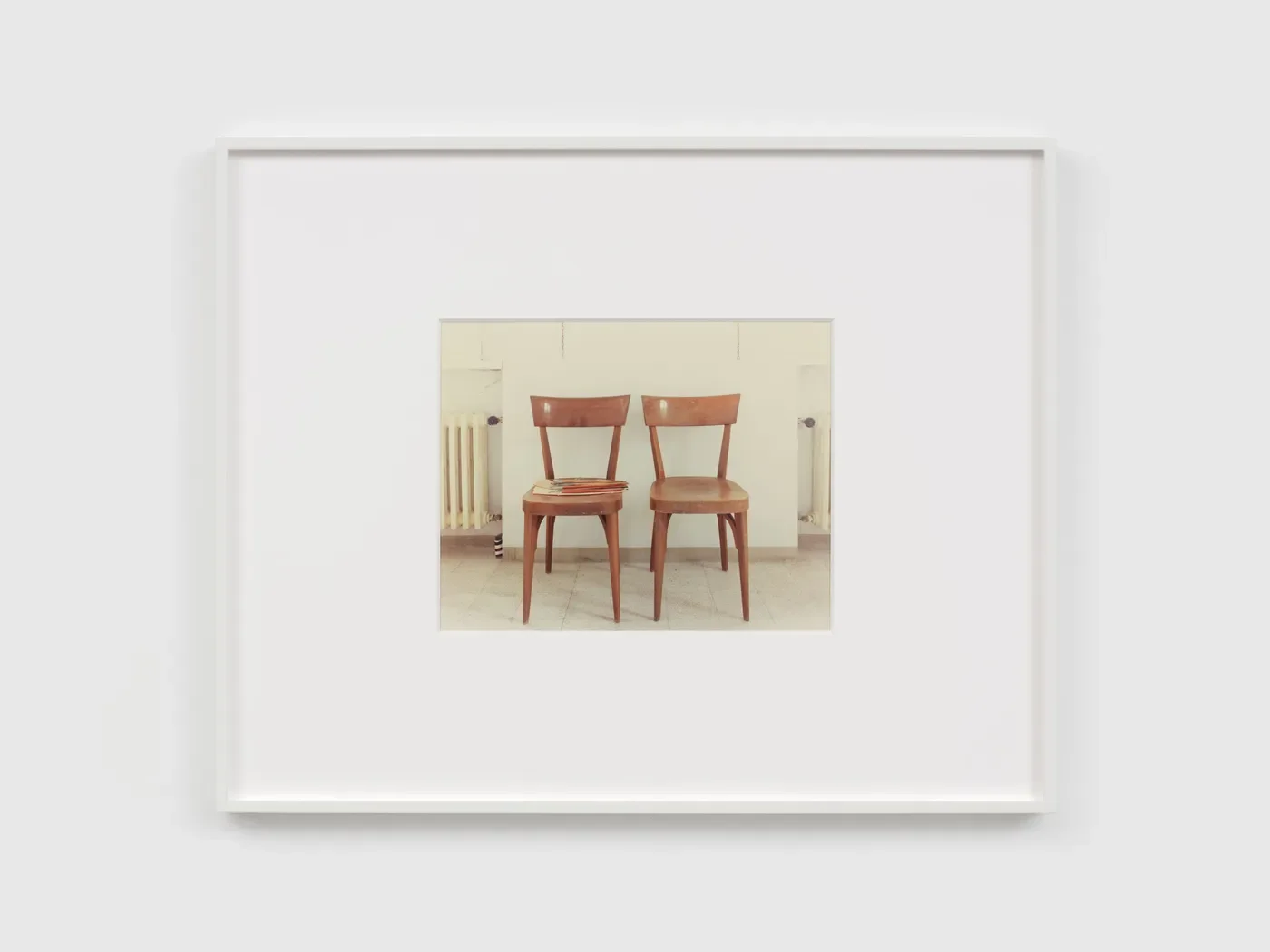
Luigi Ghirri, Bologna, Grizzana, 1989-90. Photo courtesy: Thomas Dane Gallery
Ghirri’s photography is at once an inquiry into Italy’s shift from rural to industrial landscapes as well as a meditation on global culture and human perception. Suspended in time, Ghirri’s pictures invite us to observe the world as it is, to hold our gaze steady until its essence emerges: the landscapes he captures transcend the particular, becoming collective mirrors in which viewers can all recognise themselves, bridging the biographical and the universal.
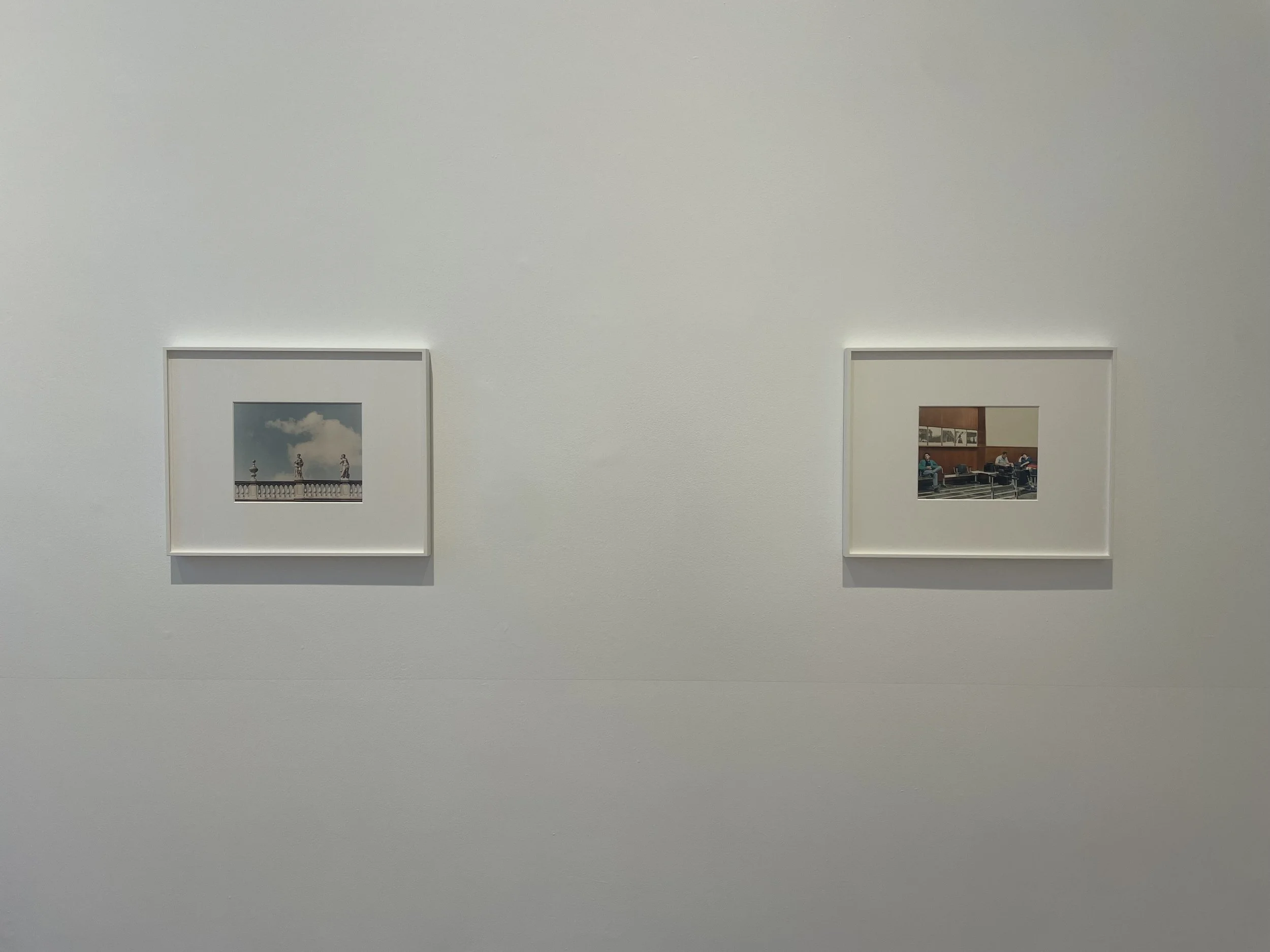
Felicità, installation view at 11 Duke Street, Thomas Dane Gallery, London, 2026. Photo courtesy: the author
The exhibition’s title, Felicità (‘happiness’ in Italian), feels particularly apt in this context. The photographs evoke a sense of gentle nostalgia, the kind of feeling stirred by summer days spent with grandparents, by the soft warmth of light on skin, or by the bittersweet sensation of remembering places and people far away. They immerse the viewer in a fleeting instant: peaceful, reflective, tinged with both joy and sadness.
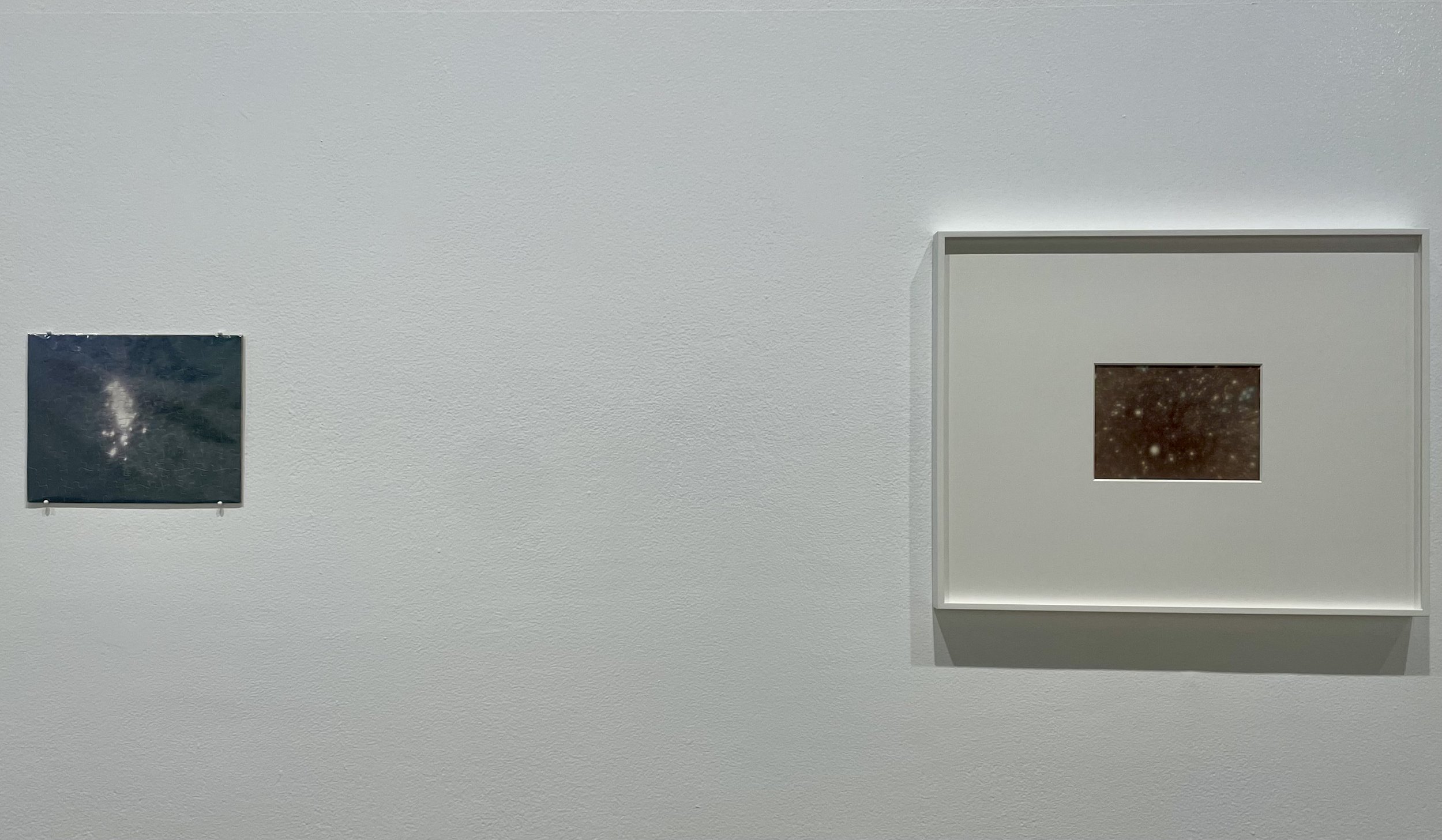
Felicità, installation view at 3 Duke Street, Thomas Dane Gallery, London, 2026. Photo courtesy: the author
Adding a layer of conceptual resonance, Felicità includes two puzzle works by Felix González-Torres (1957, Guáimaro - 1996, Miami), Untitled (1988) and Untitled (Key West) (1992). These pieces, created through a commercial puzzle-cutting service and displayed in their original plastic bags, weave seamlessly into Ghirri’s exploration of image, memory, and fragmentation. González-Torres’s puzzles, assembled from personal and public imagery, echo the themes of collection, reconstruction and meaning-making that run throughout the exhibition.
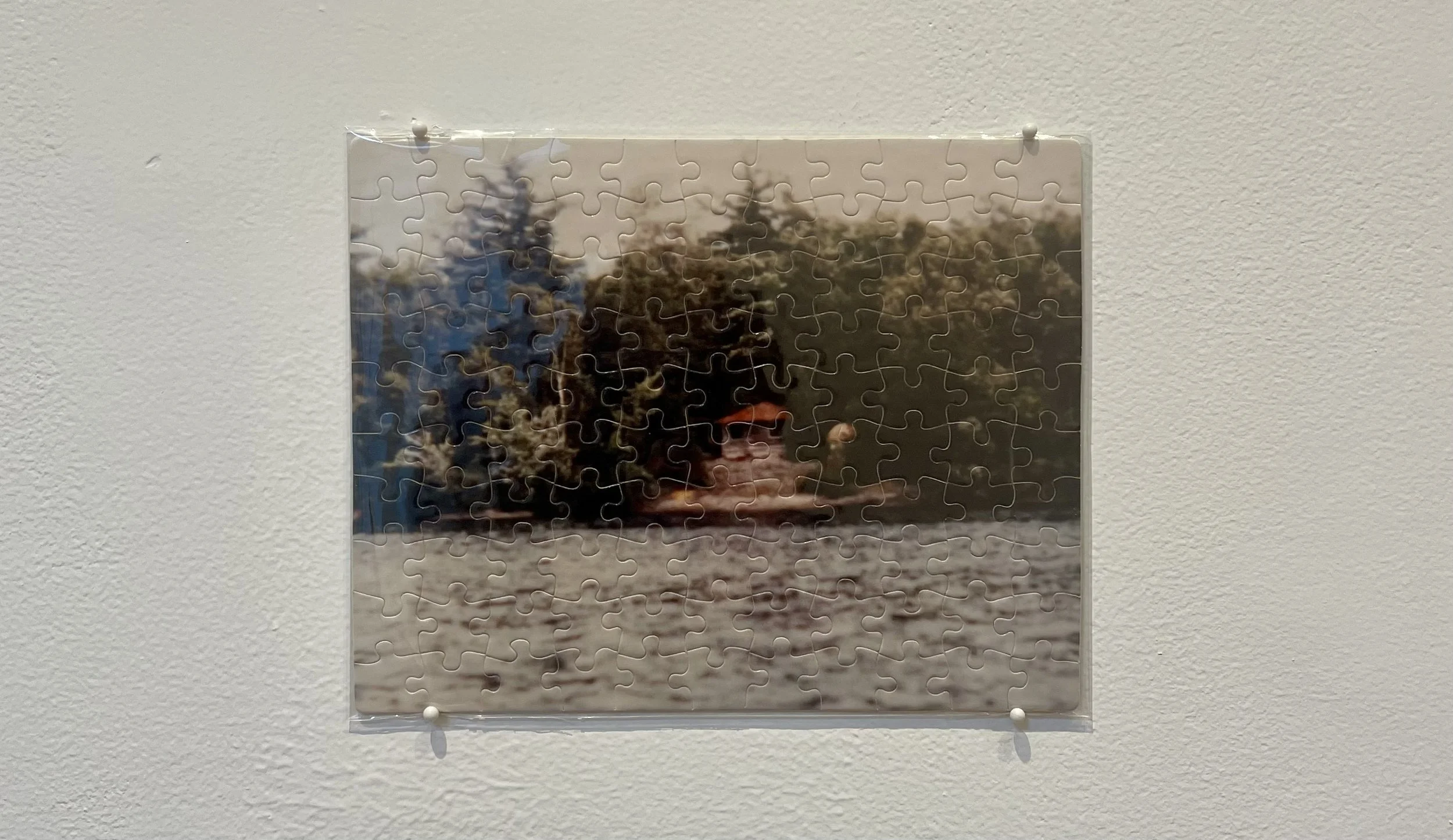
Felix González-Torres, Untitled, 1988. Photo courtesy: the author
What endears Ghirri’s work to viewers is the deceptive simplicity and apparent accessibility of his vision. His photographs feel as if they could have been taken by any one of us, capturing moments that resonate deeply with personal experience. This is, of course, an illusion: Ghirri’s mastery of colour, balance, and composition is far from casual. Yet this quality of intimacy makes his work profoundly relatable. It inspires a desire to slow down, to observe the world with the same attentive gaze, to find beauty in the everyday and to reconnect with memories held quietly within us.
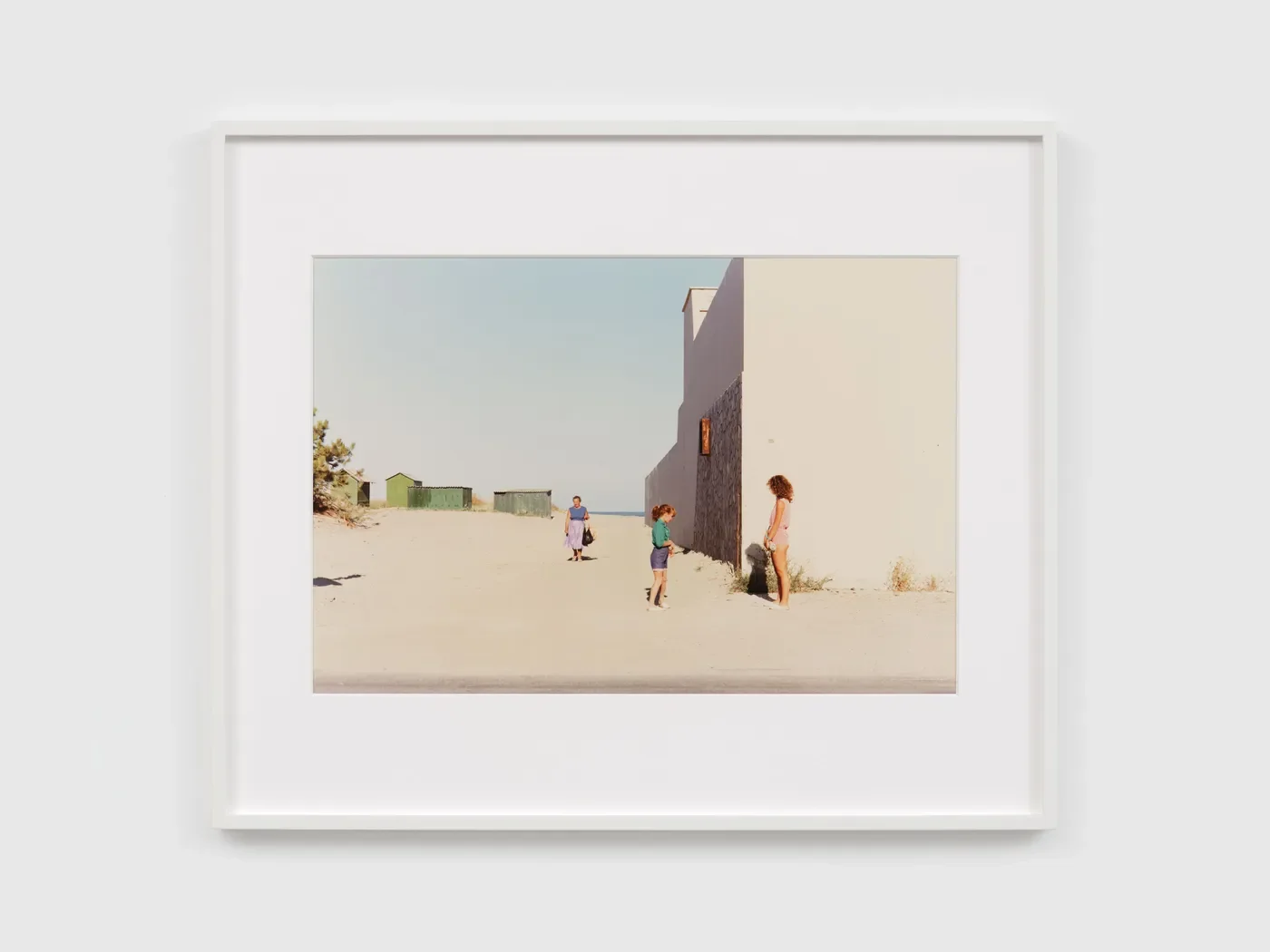
Luigi Ghirri, Marina di Ravenna, 1986. Photo courtesy: Thomas Dane Gallery
Felicità is a softly powerful exhibition that reaffirms Luigi Ghirri’s unique contribution to photography, one that balances poetic subtlety with conceptual rigour. It offers viewers not just images, but an invitation: to look, to reflect, and to find happiness in the experience of seeing the world anew.
Felicità is on view at Thomas Dane Gallery, 3 & 11 Duke Street, St. James’s, until 9 May 2026.
Elisa Consentino
Reviews Co-Editor, MADE IN BED
Disclaimer: The views, thoughts, and opinions expressed in MADE IN BED are solely those of the individual authors and not those of MADE IN BED magazine or of Sotheby’s Institute of Art.