Alexis Kleeman in conversation with Carmen Hu
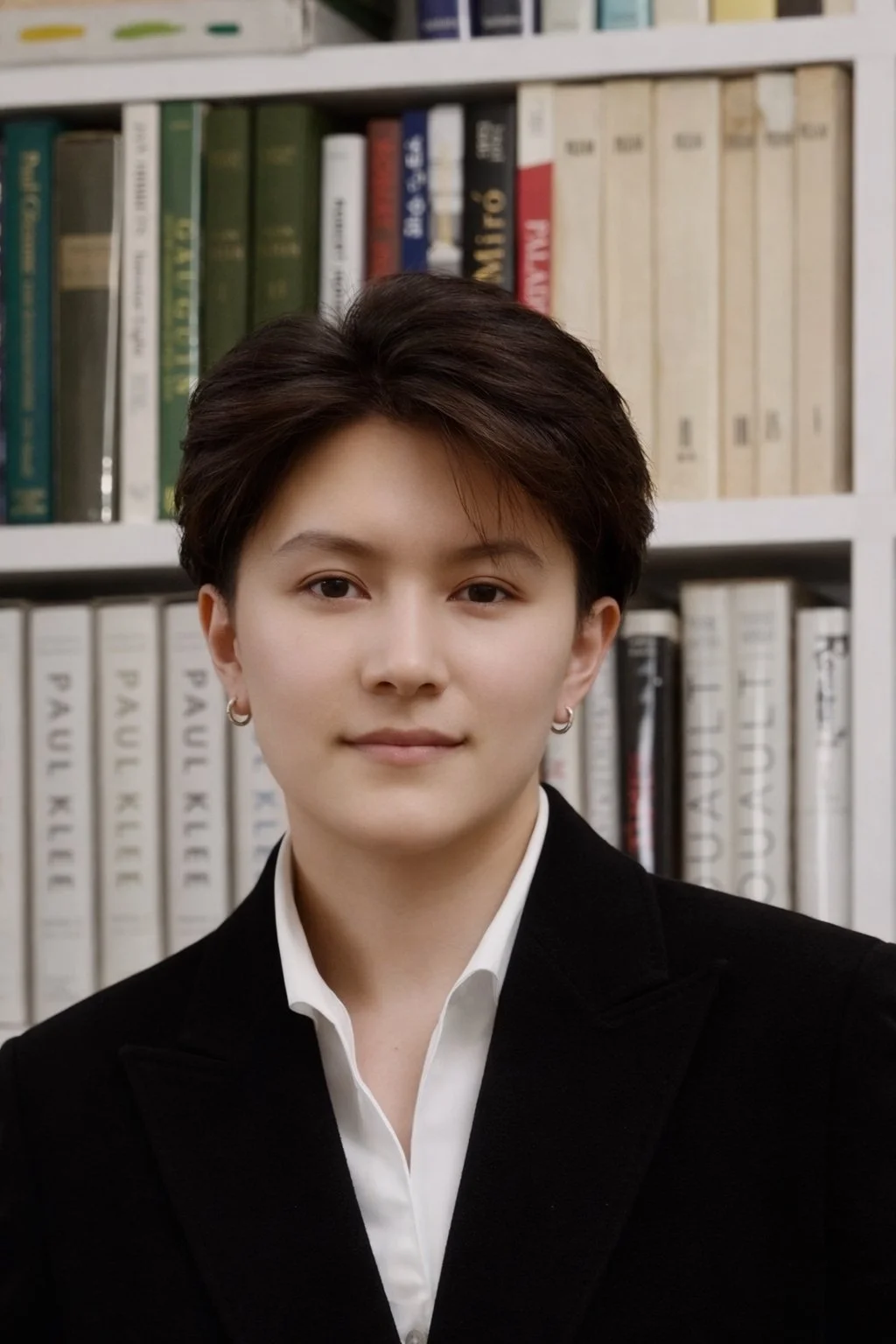
Image courtesy of Waddington Custot.
Carmen is a Sotheby’s Institute of Art, Art Business MA graduate and the Sales Manager and Head of Business Development in Asia at Waddington Custot Gallery, based in London with branches in Paris and Dubai.
AK: Please tell us about your education, background, and if you always wanted to work in art, or was there an artwork or experience that made you decide to pivot your career?
CH: My path into the art world was somewhat unconventional. I studied Mathematics and Computer Science at the University of Bristol, a degree that is quite unusual for someone working in the art market. However, Bristol also has one of the UK's leading History of Art departments, and many of my friends were studying the subject. Although I found it fascinating, I felt it was too late to switch track. Even so, my curiosity kept growing. I spent a great deal of time visiting exhibitions, and I would often sit in on my friends' art history lectures simply to listen and learn. That also made me start thinking about how someone with a mathematical and analytical background might bring a different perspective to the art world. At a time when almost every industry was embracing digital transformation, the art market remained largely traditional. That led me to Artsy, where technology was reshaping how art was discovered, bought and sold. I found that intersection of art and technology incredibly exciting and joined Artsy, which introduced me to the commercial art world.
I think to dive deep in the art world, you need to know who you are beyond art. In sales, especially, our clients have broad interests and full lives outside the art world; you’re talking to people with careers, families, passions, and experiences that extend far beyond art, and collecting is often just one part of that. If every conversation is only about art, the relationship can feel limited. The real connection comes from understanding the person behind the collection. I don't think people buy art because they need another painting. They buy it because it reflects who they are, their memories, ambitions or the life they want to build. To understand that, you first have to understand people. That's probably the biggest lesson my unconventional background has taught me.
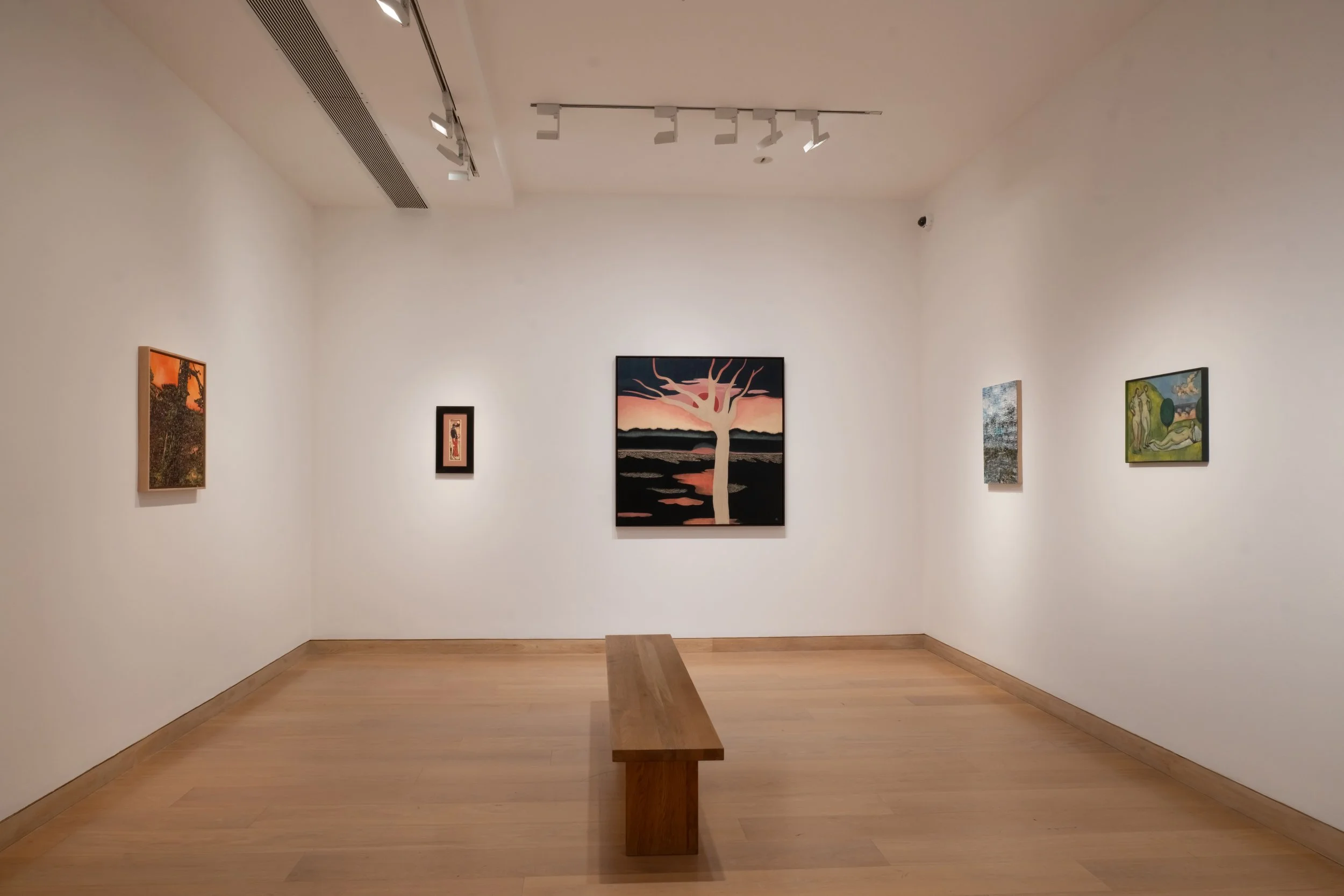
Image courtesy of Waddington Custot.
AK: Could you tell us about the history of the gallery, how it got the name Waddington Custot, and how it became an international gallery?
CH: The gallery was founded on Cork Street in 1958, in the very building we still occupy today. During the 1980s, we expanded to six spaces along Cork Street, but 11 Cork Street remained our main hub. Over time, it became clear that bringing everything together under one roof would create a stronger identity, so the gallery was consolidated into the single, larger space that became Waddington Custot. The gallery as we know it today was established through the partnership between the British art dealer Leslie Waddington and the French art dealer Stéphane Custot. From the beginning, the gallery has been committed to bringing international art to the UK, exhibiting artists and movements from around the world rather than focusing on a single national school. That international outlook is also what brought Waddington and Custot together. Leslie Waddington was renowned for his expertise in British Pop Art and, later, the Young British Artists, while Stéphane Custot specialised in French post-war abstraction and the masters in Paris. Their complementary expertise naturally shaped the gallery into an international programme, attracting a broad and diverse audience that continues to define Waddington Custot today. I think what has allowed the gallery to remain relevant for nearly seventy years is that it has never tried to become everything to everyone. It has always had a clear point of view while continuing to evolve.
AK: You and Victor Custot attended Sotheby’s Institute of Art. Could you tell us about how your education at the institute shaped your career paths, and if you have any career advice for young aspiring art professionals?
CH: Victor and I did our Art Business degrees in the same year, but we never really had any group assignments together. We actually became good friends because we were both working part-time during the program in the same area and had similar interests, so we would meet up for lunch and attend events together. Victor would tell you that he had the idea of inviting me to join the gallery quite early on; I was not aware of that at the time, but after graduation, he presented the opportunity, and I decided to embark on this new journey with him. It was an interesting time coming out of COVID, and the market was tired; the economy was not at its best, but the gallery was well equipped to head into an art industry recession. I would say the best advice for young professionals is: don't try to become an expert in art before you understand people. Art is only half of the profession. The other half is understanding psychology, building relationships, solving problems, and earning trust. Those are the skills that ultimately lead to long-term careers in the art world.
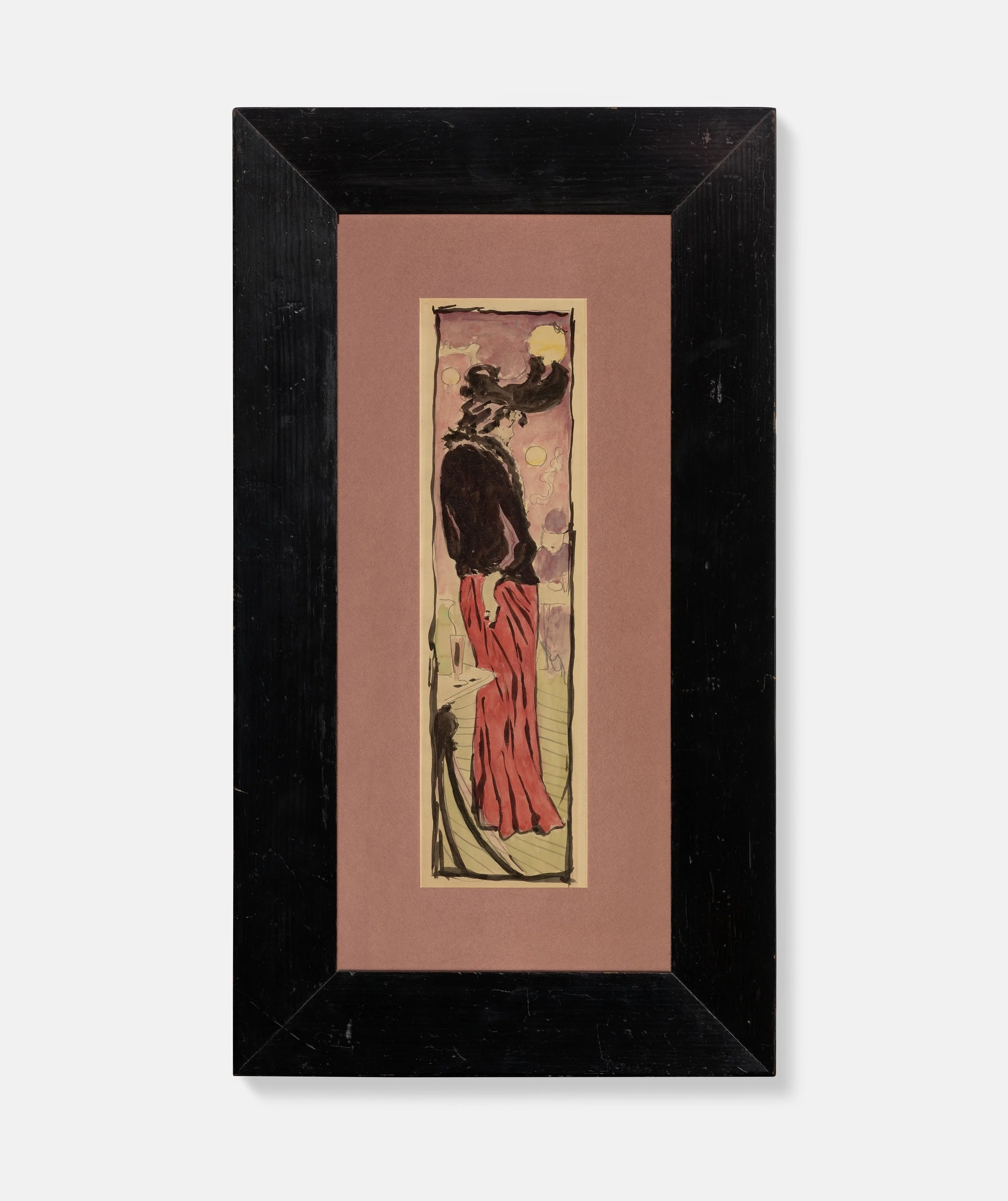
Femme au cabaret, 1867, Pierre Bonnard (1867-1947). Image Courtesy of Waddington Custot.
AK: The gallery is running an exhibition, the Nabi Shock, focused on twenty artists from the Nabi movement. Could you tell us about the inspiration behind this exhibition and about some of the highlights from the show that our readers can look forward to?
CH: The gallery has had a long-standing interest in the Nabis. One thing I find particularly fascinating about the Nabis is how the movement played a pivotal role in shaping modern art, and that its significance continues to grow today. More than a century later, these works still feel remarkably contemporary, and many artists continue to draw inspiration from their bold use of colour and flattened perspective. Art history is a continuum, not isolated moments. The Nabis also represent a fascinating example of artistic exchange across cultures. In the late nineteenth century, European artists encountered Japanese woodblock prints (Ukiyo-e) through a series of exhibitions, and were profoundly struck by their compositional freedom, colour and visual language. Rather than simply imitating these works, the Nabis absorbed and reinterpreted these ideas, creating an entirely new artistic vocabulary that would have a lasting influence on the development of modern art. Over the past few decades, institutional appreciation of the Nabis has continued to grow, with major museum exhibitions and renewed scholarly attention highlighting the movement's importance. We felt the time was right to present this exhibition at the gallery. It also perfectly coincides with the opening of our Paris space this year, allowing us to bring a little of Paris to London and celebrate a movement that sits at the heart of both cities' artistic histories.
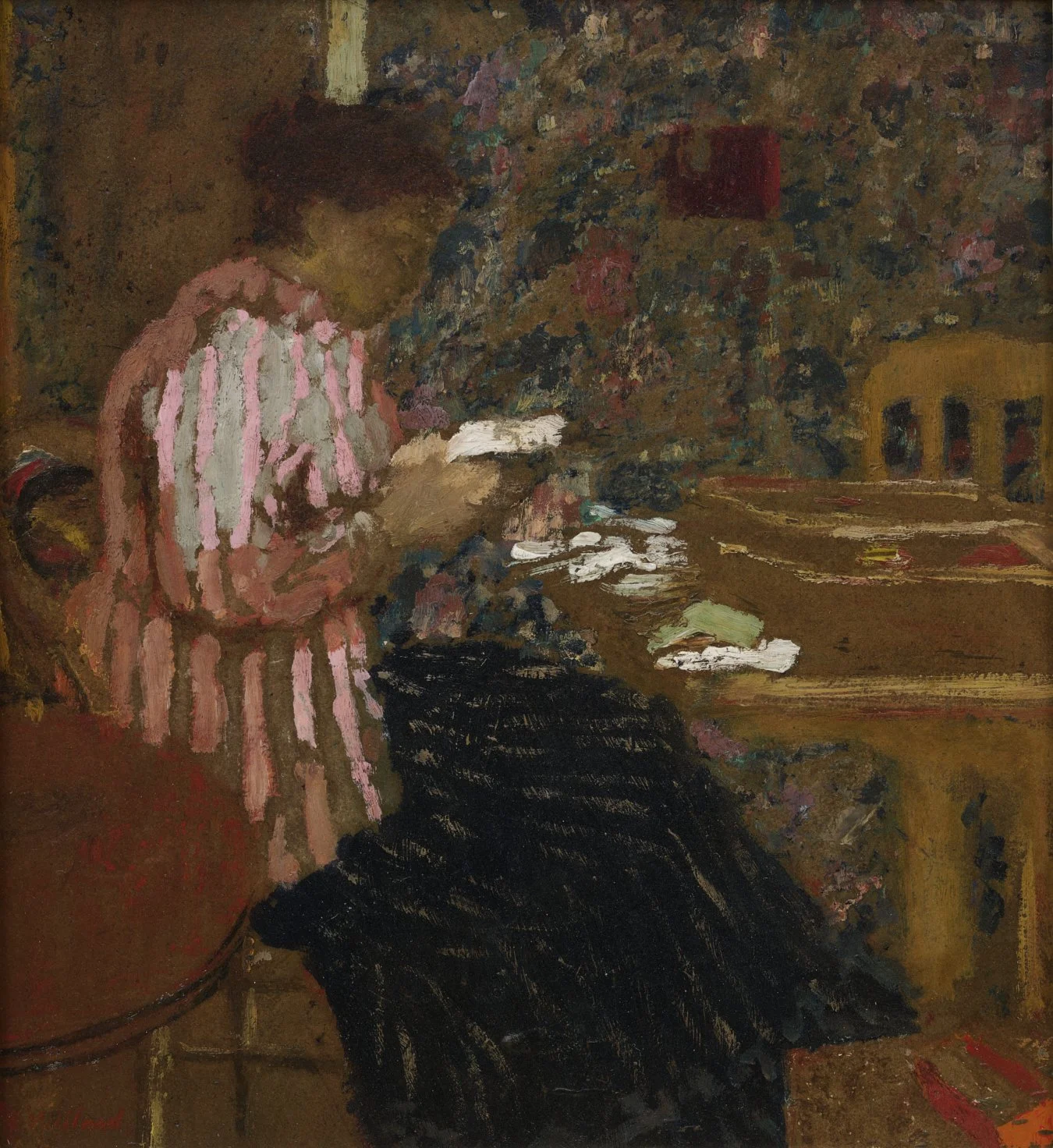
Femme lisant, Édouard Vuillard (1868-1940). Image courtesy of Waddington Custot.
AK: In your description of the Nabi Shock exhibition, it says that Waddington Custot has played a significant role in the revival of the movement, exhibiting the Nabis at Frieze in London (2024) and at the gallery’s Paris location (2026), as well as bringing the exhibition to London. Could you tell us more about the revival of this movement and why the gallery chose to be involved in the revival of this movement?
CH: I would describe it as a renewed appreciation of the Nabi movement rather than a revival. Across Europe and the United States, museums and scholars are increasingly recognising its importance within the history of modern art. The Nabis help us understand that the transition from Impressionism to twentieth-century Modernism was far more gradual than people often assume. Rather than appearing suddenly, new artistic ideas developed through small groups of artists who influenced one another, particularly within the vibrant artistic community of late nineteenth-century Paris. We believe the Nabis are a crucial part of that story. Their experiments with colour, symbolism, decoration and flattened perspective paved the way for many later developments in modern art, yet they have historically received less attention than they deserve, particularly in the UK. At Waddington Custot, we've had a long-standing interest in the movement and felt this was the right moment to present it to a London audience. The works remain remarkably fresh; they’re intimate, emotional and deeply human. They depict relationships, domestic interiors and everyday moments with a sensitivity that still resonates today, making them feel surprisingly relevant more than a century after they were painted.
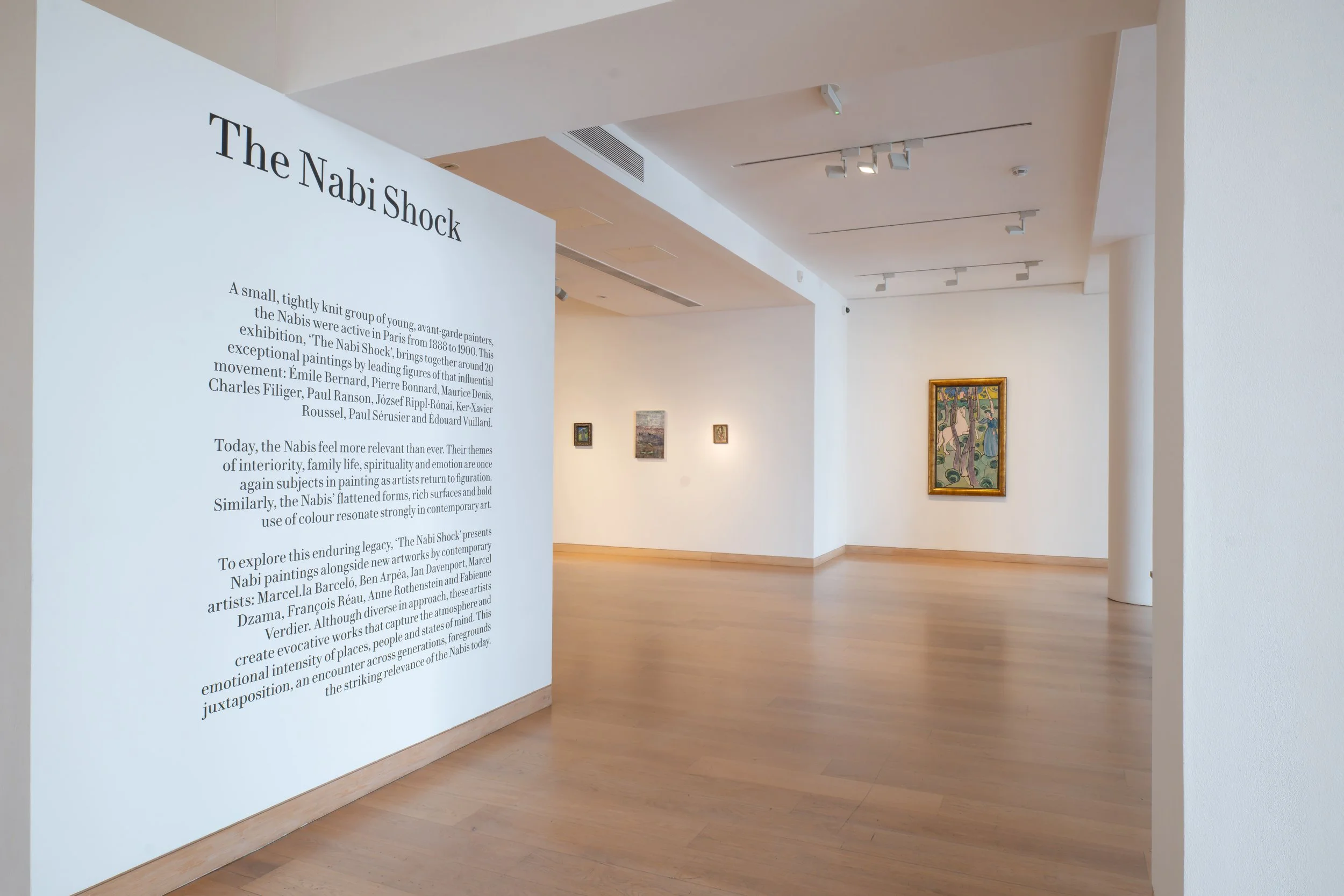
Image courtesy of Waddington Custot.
AK: Please tell us about the gallery’s exhibition celebrating ten years of exhibiting in the United Arab Emirates, the significance of international exhibitions for the gallery, and some of the highlight pieces from the exhibition and the exhibition narrative, and how it
reflects the gallery’s curation method?
CH: Waddington Custot was one of the earliest international galleries to establish a permanent presence in Dubai, and over the past decade we've had the privilege of contributing to the region's evolving collecting landscape. During that time, we've introduced a wide range of international artists to audiences in the UAE while building lasting relationships with collectors. Just as importantly, those relationships have helped us better understand how collecting tastes have evolved and how collectors in the region build their collections. This exhibition is really a celebration of that journey. If you had asked ten years ago what collectors in Dubai would be interested in, many people probably wouldn't have predicted the strong reception that conceptual art has since received. Through our exhibitions, we've seen an increasing openness to a broad spectrum of artistic practices, and that's been incredibly rewarding to witness. The exhibition brings together artists who have shaped the gallery's programme over the past decade. They have become part of Waddington Custot's identity, and this anniversary exhibition celebrates that legacy while also looking ahead. At the same time, we believe it's important to continue introducing new artists and fresh perspectives, because that's how both galleries and collections continue to evolve. That reflects our wider curatorial philosophy. We are always interested in creating a dialogue between historical, modern and contemporary art. When works by artists from different generations are shown together, they reveal a continuum rather than isolated moments in art history. We want visitors to see those connections and understand how artistic ideas evolve over time.
AK: The gallery has ongoing relationships with both Frieze Masters and Treasure House Art Fair. Could you tell us about the relationship between the gallery and these art fairs, and if participating in these fairs annually has helped the gallery reach the iconic status it
has today?
CH: We've always been very active in London's art scene, and participating in fairs such as Frieze Masters and Treasure House is an important part of that. London is our home, and these fairs allow us to present our programme to an international audience while reconnecting with the collectors, curators and institutions who have supported the gallery over the years. At this year's Treasure House Fair, for example, we highlighted British Pop Art, reflecting another important strand of the gallery's history. An art fair booth is very different from a gallery exhibition. In the gallery, you have the opportunity to develop a more expansive curatorial narrative, whereas a fair requires a concise and carefully considered presentation. But fairs create a different context for the works and, perhaps more importantly, they provide invaluable opportunities to meet people, begin conversations and build relationships that often continue long after the fair has ended. I think a gallery's reputation is built over time through consistency. Collectors return because they trust your eye, your expertise and your programme. Art fairs are an important part of that; they allow us to meet new audiences while strengthening existing relationships. It's a reciprocal
relationship: galleries bring exceptional works and artists to the fairs, while the fairs provide an international platform and bring together an audience that would otherwise be impossible to reach in one place. Over many years, that mutual support has helped establish Waddington Custot as one of London's leading international galleries.
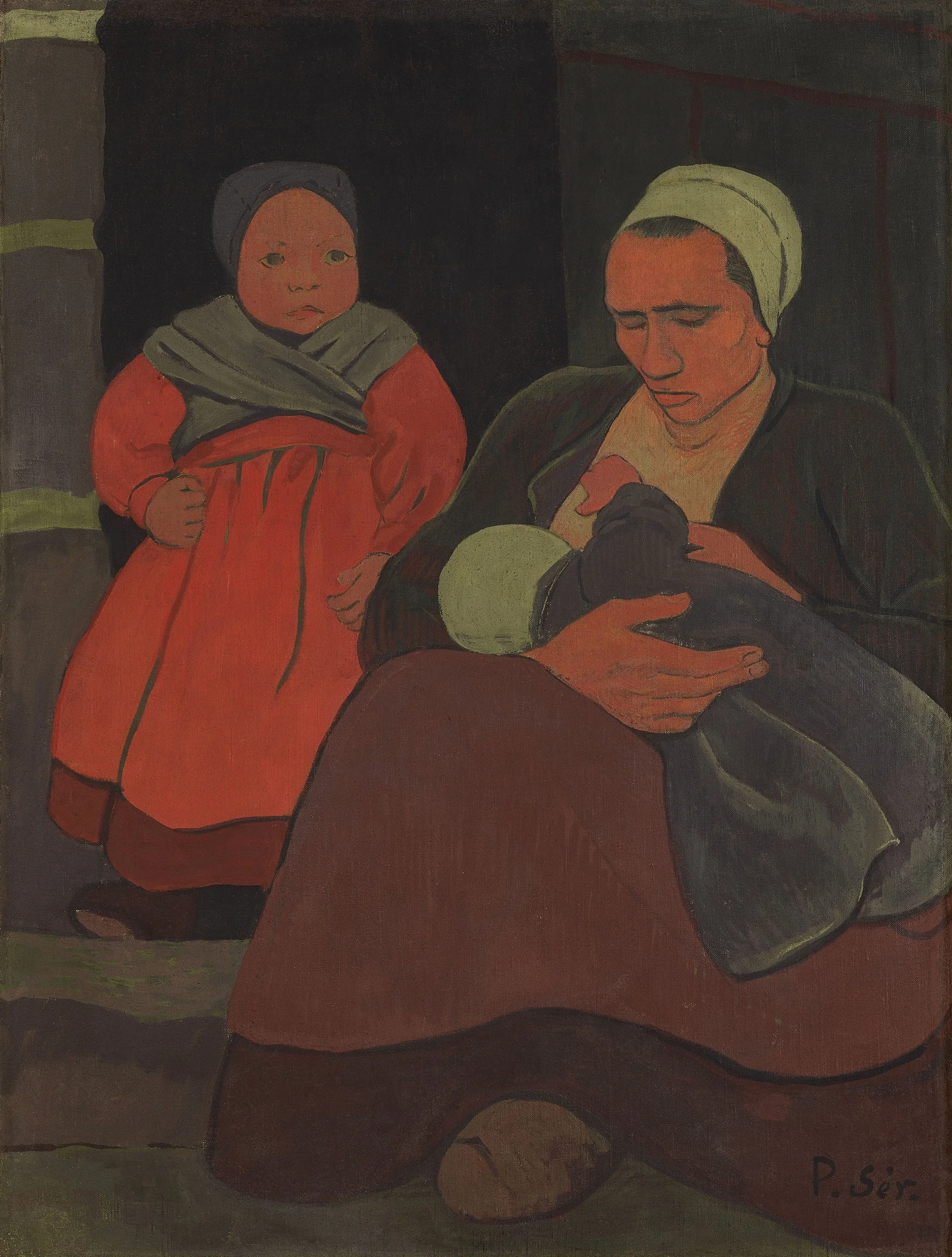
Bretonne allaitant, 1892, Paul Sérusier (1864-1927). Image courtesy of Waddington Custot.
The Nabi Shock exhibition at Waddington Custot will be on exhibition through September; further information on the gallery’s international locations, exhibitions, and London programming can be found at Waddington Custot.
Alexis Kleeman
Co Editor, Interviews