Eliza Palmer in Conversation with Gabrielle du Plooy
As the art world around us continues to grow—in size, in reach, in talent—we have the privilege of interviewing Gabrielle du Plooy, an active participant in ensuring that this growth extends to attain equality and equity for women in art. We ask du Plooy about her own experience as a woman in the world of art, and how creating and running the incredibly supportive initiative, Women In Art, has shaped her view of the current and future direction of art.
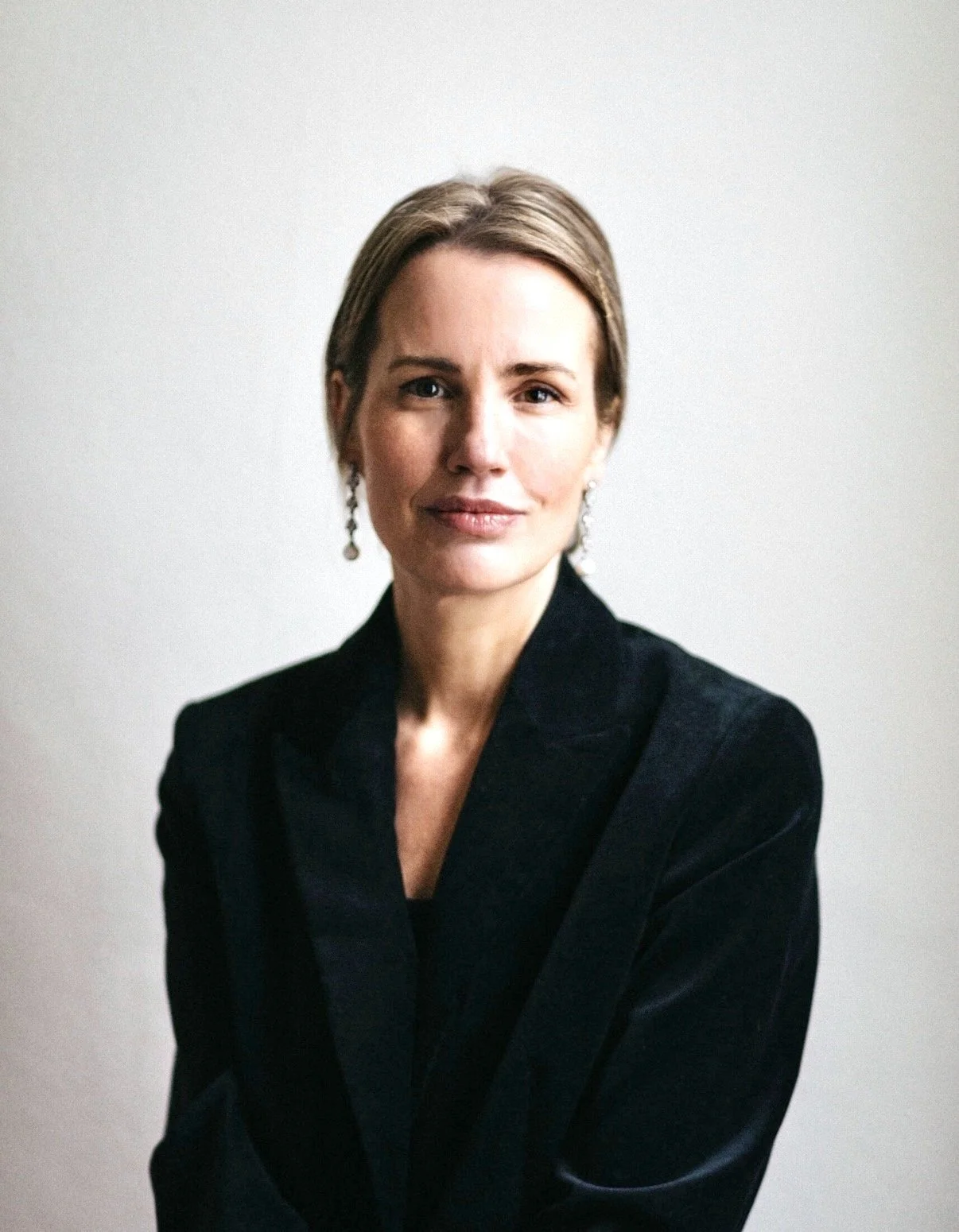
Gabrielle du Plooy. Photo courtesy: Gabrielle du Plooy
Eliza Palmer: How did your interest in a career in art begin?
Gabrielle du Plooy: My interest in art began very early, as my father owned a gallery and was an artist himself, where visual storytelling felt like a natural language. I was drawn to images before I understood their contexts. Over time, I became fascinated not only with artworks themselves, but with the systems that decide who gets seen, exhibited, and collected. That curiosity eventually evolved into a career focused on advocacy and representation.
EP: What is your first memorable experience with an art piece?
GdP: Seeing powerful figurative painting as a child — works that held emotional intensity — made me realise art could communicate things words could not. I remember being struck by how an artwork could hold tension, beauty, and discomfort all at once.
EP: What is your personal favourite artistic medium?
GdP: Painting. I’m particularly drawn to contemporary figurative painting because of its immediacy and emotional clarity, but I also deeply appreciate sculpture and photography.
EP: Do you have your own artistic practice? If so, what kind of art do you create?
GdP: My practice is primarily curatorial and conceptual. While I’m not a practising studio artist, my creative output exists through exhibitions, programming, and building platforms that allow artists to be seen in meaningful ways.
EP: As a gallery owner, what do you find is the hardest part about owning and running a gallery?
Balancing sustainability with risk. Supporting emerging artists requires belief and long-term investment, often before the market catches up. Maintaining that commitment while running a viable business is one of the most challenging aspects.
Zebra One Gallery. Photo courtesy: Gabrielle du Plooy
EP: What is a piece of advice you can give to all emerging artists?
GdP: Find your narrative and stay committed to your voice. Trends shift quickly, trends shift quickly but authenticity lasts. Build relationships, remain curious, and don’t underestimate the importance of community.
EP: Your enterprise, Women In Art, promotes female artists and holds the annual Women In Art Prize. Why did you create Women In Art?
GdP: I created Women In Art to address structural inequality. To help emerging female artists, particularly those from underrepresented backgrounds, who have historically had fewer opportunities. The prize platform exists to amplify their work, create visibility, and challenge outdated narratives within the art world. We are also in the middle of building a subscription-based Women in Art marketplace/resources/community site that will take no commission from the artists.
EP: Who were some people who supported you during the creation of Women In Art?
GdP: Artists themselves were the biggest supporters. Curators, collectors, and mentors who believed in the mission helped shape the early stages. It was very much a collaborative effort.
EP: How has Women In Art changed your perception of the art world? Has it changed your perception?
GdP: It confirmed both the challenges and the possibilities. The demand for representation is enormous, but so is the resistance to change. At the same time, I’ve seen how quickly meaningful impact can happen when platforms are created intentionally.
EP: What are some of the achievements of Women In Art you are most proud of?
GdP: Providing exhibition opportunities for hundreds of artists, launching careers, and building a global community. The Women In Art Prize has also helped spotlight voices that may otherwise have been overlooked.
Women In Art Prize. Photo courtesy: Gabrielle du Plooy
EP: Who is the female artist that you most admire?
GdP: There are many, but I deeply admire artists who challenge both aesthetic and social boundaries — particularly those working within contemporary figurative traditions.
EP: Who is an artist you think is underrated?
GdP: There are countless women artists working today whose contributions remain under-recognised, especially those outside major art capitals.
EP: What are the persisting systemic art world practices which continue to exacerbate sexism within the art world?
GdP: Unequal representation, biased acquisition policies, disparities in pricing, and limited institutional support all contribute. These systems often reinforce themselves.
EP: Where do you see the biggest consequences of sexism in the art world?
GdP: Museum collections, auction results, and leadership positions. These spaces shape art history, and disparities there have long-term consequences.
EP: What recent evidence of progress towards equality have you seen in the art world?
GdP: More women-led exhibitions, institutional commitments to equity, and collectors intentionally supporting women artists. Progress is visible, though uneven.
EP: What is a commonality amongst perpetrators of sexism in the art world?
GdP: Often it’s not overt — it’s structural. Many perpetuate inequality through unconscious bias, gatekeeping, and the maintenance of traditional hierarchies.
EP: Which galleries do you think are underrated?
GdP: Smaller independent galleries that prioritise emerging voices. They often shape the future more than large commercial spaces.
EP: Which museums are underrated?
GdP: Regional museums that take curatorial risks and platform diverse artists.
EP: What is your personal favourite gallery?
GdP: I’m drawn to galleries that centre artists and dialogue, rather than market-driven programming.
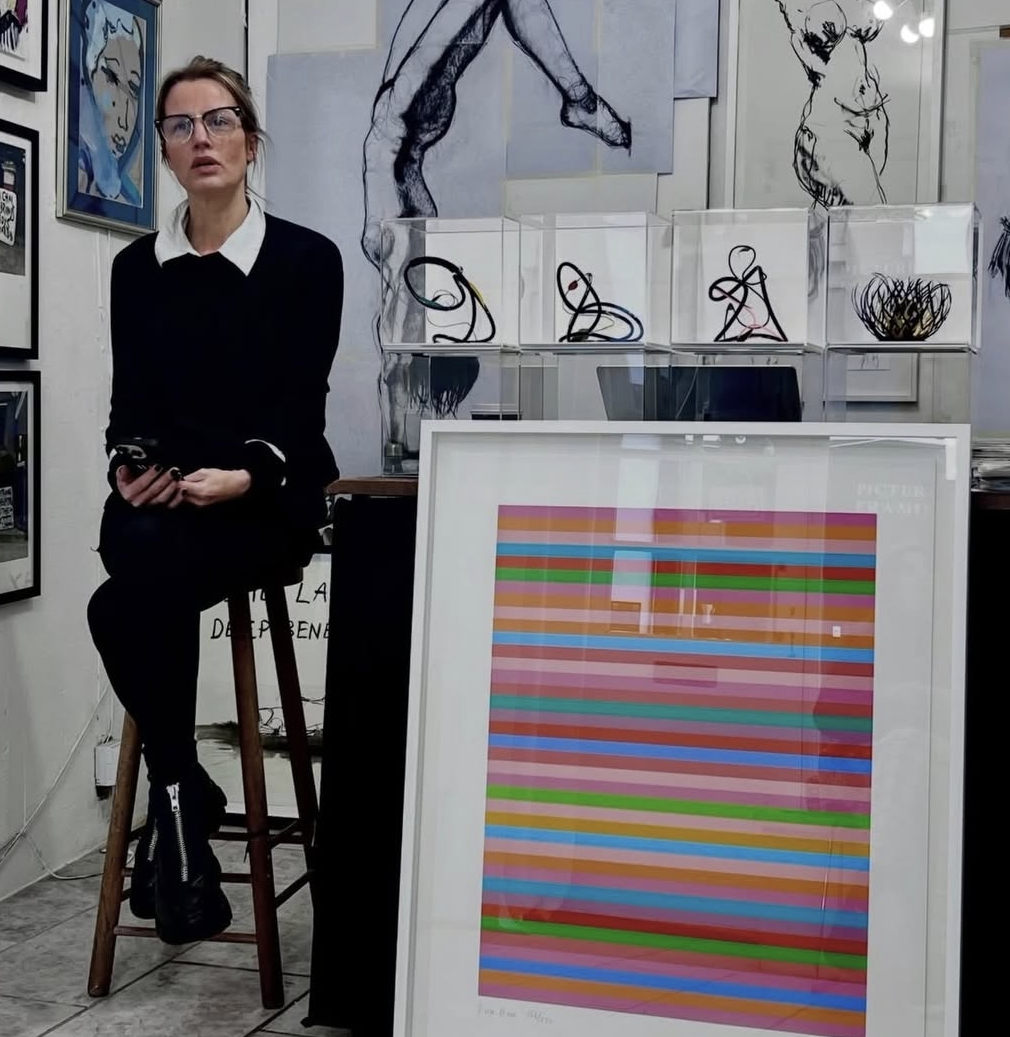
Gabrielle du Plooy. Photo courtesy: Gabrielle du Plooy
EP: Have you personally experienced sexism during your career and life working in the arts?
GdP: Yes. It often appears subtly — assumptions about authority, credibility, and leadership. These experiences reinforced the importance of building supportive platforms.
EP: Who are 3 people who have inspired you to continue your work supporting women in the art world?
GdP: Artists themselves, particularly those navigating structural barriers. Curators and writers advocating for equity have also been hugely influential.
EP: What is an artwork you don’t already have that you would love to have in your personal collection if you could?
GdP: A powerful contemporary figurative painting that captures the complexity of identity and presence.
EP: What is your favourite era of art throughout history?
GdP: Contemporary art. The diversity of voices and approaches today is incredibly exciting.
EP: Who is your all-time favourite artist?
GdP: I’m drawn to artists who push figurative painting into new territory and challenge traditional representation.
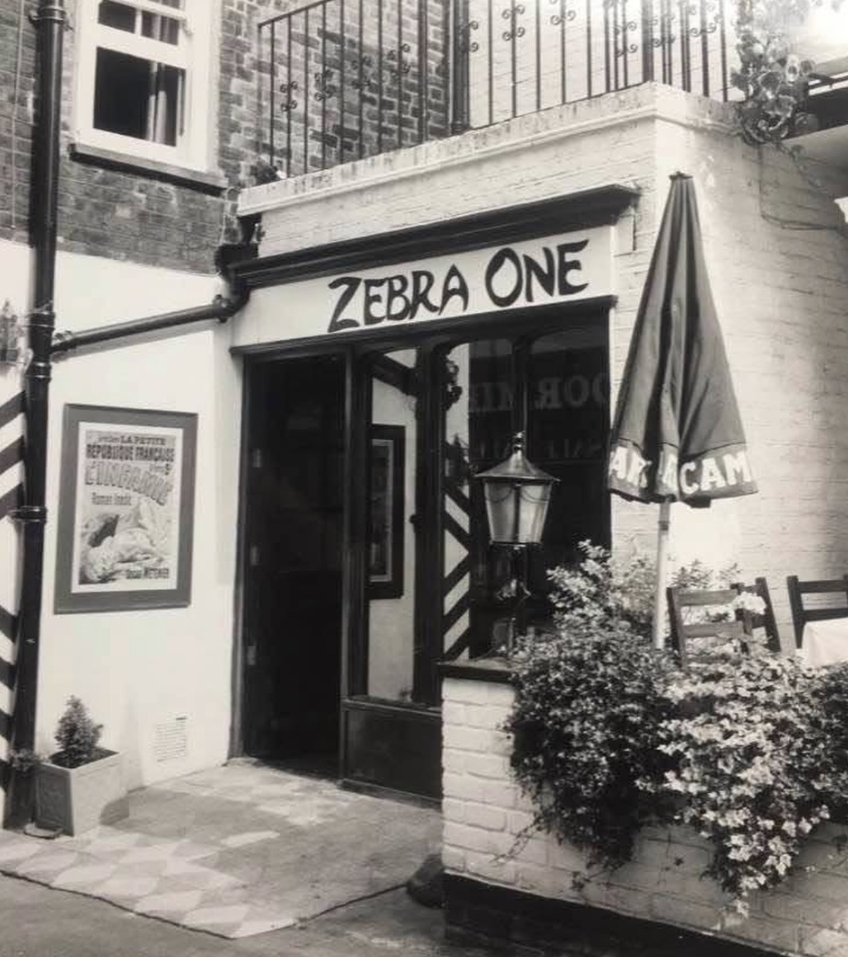
Zebra One Gallery c. 1980s. Photo courtesy: Gabrielle du Plooy
EP: Who is an emerging artist you are excited about?
GdP: There are many — emerging women painters globally are producing incredibly compelling work right now.
EP: What changes do you see currently happening in the global art world’s atmosphere?
GdP: A shift toward inclusivity, decentralisation, and community-driven initiatives. The art world is becoming more global and less hierarchical.
EP: If you could be the director of any museum in the world, which museum would you choose?
GdP: A museum with the ability to reshape narratives and build inclusive collections.
EP: What is your favourite colour?
GdP: Deep ultramarine.
EP: The 1989 survey by the Guerrilla Girls at the Metropolitan Museum of Art reported over 85% of the nude artworks in modern art sections depicted females, despite women making up less than 5% of the artists represented. Do you think there has been a visible change in museum collections to address this massive disparity?
GdP: There has been progress, but disparities remain. Institutions are increasingly addressing imbalances, though structural change takes time.
EP: How is the treatment of black women, brown women, and women of minoritised ethnic groups in the art world different to that of white women in the art world?
GdP: Intersectionality plays a major role. Artists from minoritised backgrounds often face compounded barriers related to race, geography, and access.
EP: How can white women in the art world actively help to end racism and oppression of black women, brown women, and women of minoritised ethnic groups?
GdP: By sharing platforms, advocating for equitable representation, supporting acquisitions, and actively listening. Allyship requires sustained action.
EP: What changes in the art world would you like to see happen by 2030?
GdP: Balanced representation in museum collections, equitable pricing, and more diverse leadership across institutions.
EP: What upcoming art world events are you most looking forward to?
GdP: Exhibitions and prizes that foreground emerging women artists and expand global dialogue.
Gabrielle du Plooy currently lives and works in London.
You can find more on du Plooy on her Instagram. Head over to the Women In Art Prize website for more information on Women In Art, and visit their Instagram.
Many thanks to Gabrielle du Plooy on behalf of MADE IN BED.
Eliza Palmer
Social Media Manager, MADE IN BED
Disclaimer: The views, thoughts, and opinions expressed in MADE IN BED are solely those of the individual authors and not those of MADE IN BED magazine or of Sotheby’s Institute of Art.